Most Common Pests in Eugene, OR, Homes and How to Stop Them in 2026 — A Residential Pest Control Service Guide

Eugene, OR, homes face a predictable lineup of pest threats every year. Knowing what you are up against is the first step toward effective residential pest control service. Whether you live near the Willamette River, in the South Hills, or in neighborhoods like Friendly Area or River Road, the cool, wet Oregon climate creates ideal conditions for pests that love moisture, warmth, and shelter. Call Pest Tech Inc. at
800-706-2187
today to get ahead of the problem before it grows.
The Most Common Pests Found in Eugene, OR, Homes
Eugene averages around 47 inches of rain per year, and that steady moisture drives a range of species indoors. Below are the pests Lane County homeowners encounter most often.
Moisture Ants and Carpenter Ants
Moisture ants are attracted to damp and decaying wood and often signal an underlying water problem in crawl spaces or wall voids. Carpenter ants can hollow out structural wood over time. Both species ramp up foraging in spring and summer.
How to spot them: Look for sawdust-like frass near baseboards, winged swarmers in spring, or consistent trails leading to a food or water source.
Prevention: Fix leaky pipes and improve crawl space ventilation. Remove rotting wood and debris from around the foundation. Seal cracks around windows, doors, and utility penetrations.
House Mice and Roof Rats
Rodents are a year-round concern near wooded corridors, the Willamette riverbanks, and older neighborhoods. Mice can squeeze through a gap roughly the size of a dime. Rats are strong gnawers and enter through rooflines, vents, and utility lines.
How to spot them: Listen for scratching in walls or ceilings at night. Look for droppings, gnaw marks on food packaging, and greasy rub marks along baseboards.
Prevention: Store food in sealed containers and keep pet food off the floor overnight. Trim tree branches at least six feet from the roofline. Install door sweeps and plug gaps with steel wool or wire mesh.
Western Subterranean Termites
Termites are a serious concern throughout the Willamette Valley. These insects live underground and build mud tubes along foundations to reach structural wood. Eugene's damp soil allows colonies to expand quietly for years.
How to spot them: Watch for pencil-thin mud tubes on foundation walls, hollow-sounding wood when tapped, or discarded wings near windowsills after rain.
Prevention: Eliminate wood-to-soil contact around the foundation. Keep gutters clear so water drains away from the home. Schedule a professional inspection if you notice warning signs.
Hobo Spiders and House Spiders
Spiders are common in basements, garages, and crawl spaces. Hobo spiders build funnel-shaped webs at ground level. A heavy infestation usually indicates an abundance of other insects serving as their food source.
How to spot them: Look for funnel webs in corners, along foundation walls, and behind stored furniture.
Prevention: Reduce clutter in basements and garages. Seal exterior entry points. Consistent perimeter treatments break the cycle by reducing the insects spiders feed on.
Yellow Jackets and Wasps
Yellow jackets build nests in wall voids, under eaves, and in ground burrows. In Eugene, nests can reach thousands of workers by late August. Disturbing a nest without professional help is dangerous, especially for anyone with a venom allergy.
How to spot them: Repeated wasp activity near rooflines or ground-level openings usually means a nest is nearby.
Prevention: Inspect your home's exterior each spring before nests mature. Keep garbage cans sealed and avoid leaving sugary food or drinks outdoors. Never block nest openings, as this makes colonies aggressive.
Fruit Flies and Drain Flies
These small flies are especially active in Eugene kitchens during summer and fall. Fruit flies breed in overripe produce and moist drains. Drain flies thrive in the organic buildup inside pipes and persist in older homes with slower drains.
How to spot them: A cloud of tiny flies near the sink, trash can, or fruit bowl is a reliable indicator.
Prevention: Clean drains weekly with a brush and hot water. Store ripe fruit in the refrigerator and dispose of overripe items promptly. Keep trash can lids tightly closed.
You can find us on
Google Maps for business details and location information.
What Can You Do About Eco-Friendly Pest Control in Eugene?
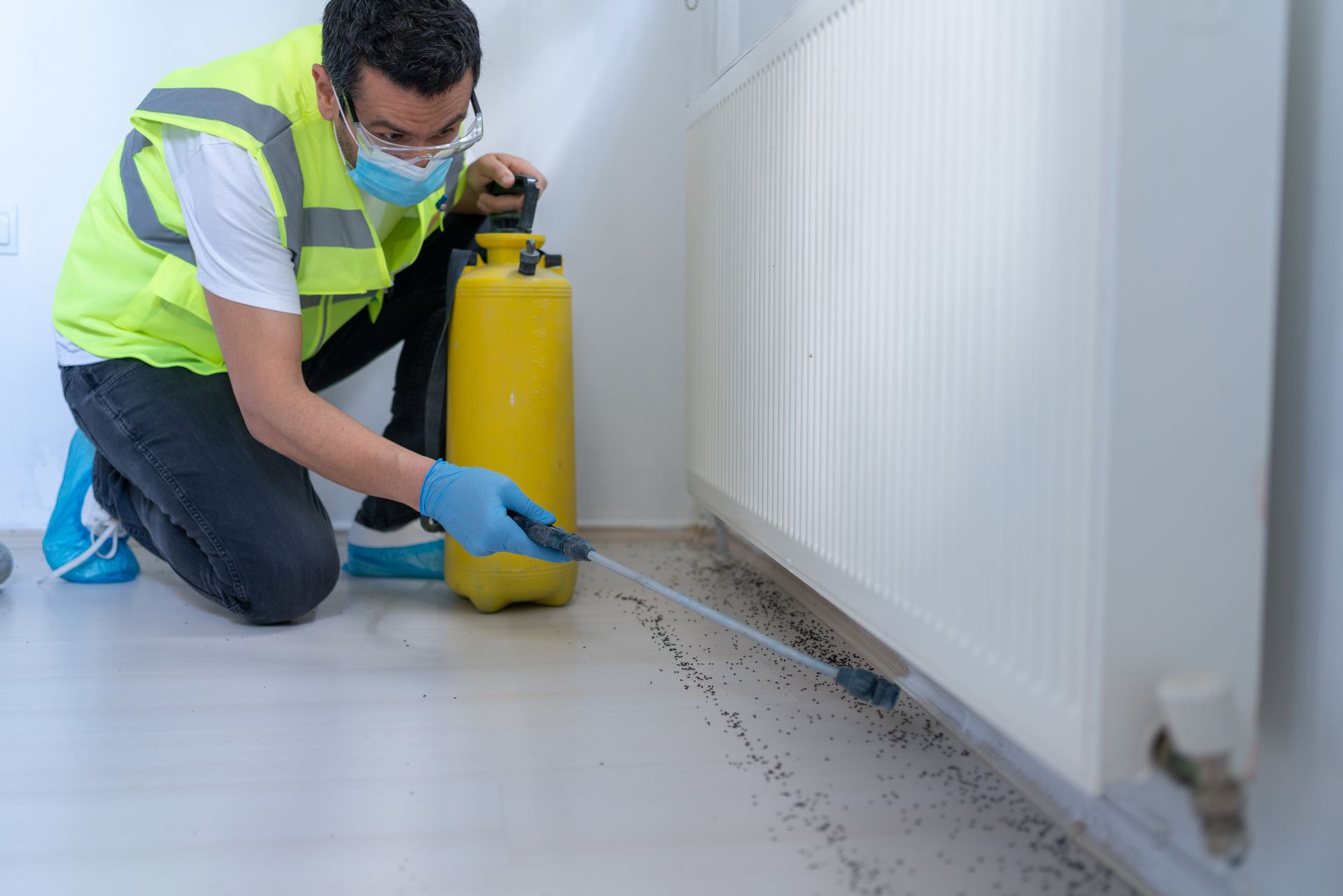
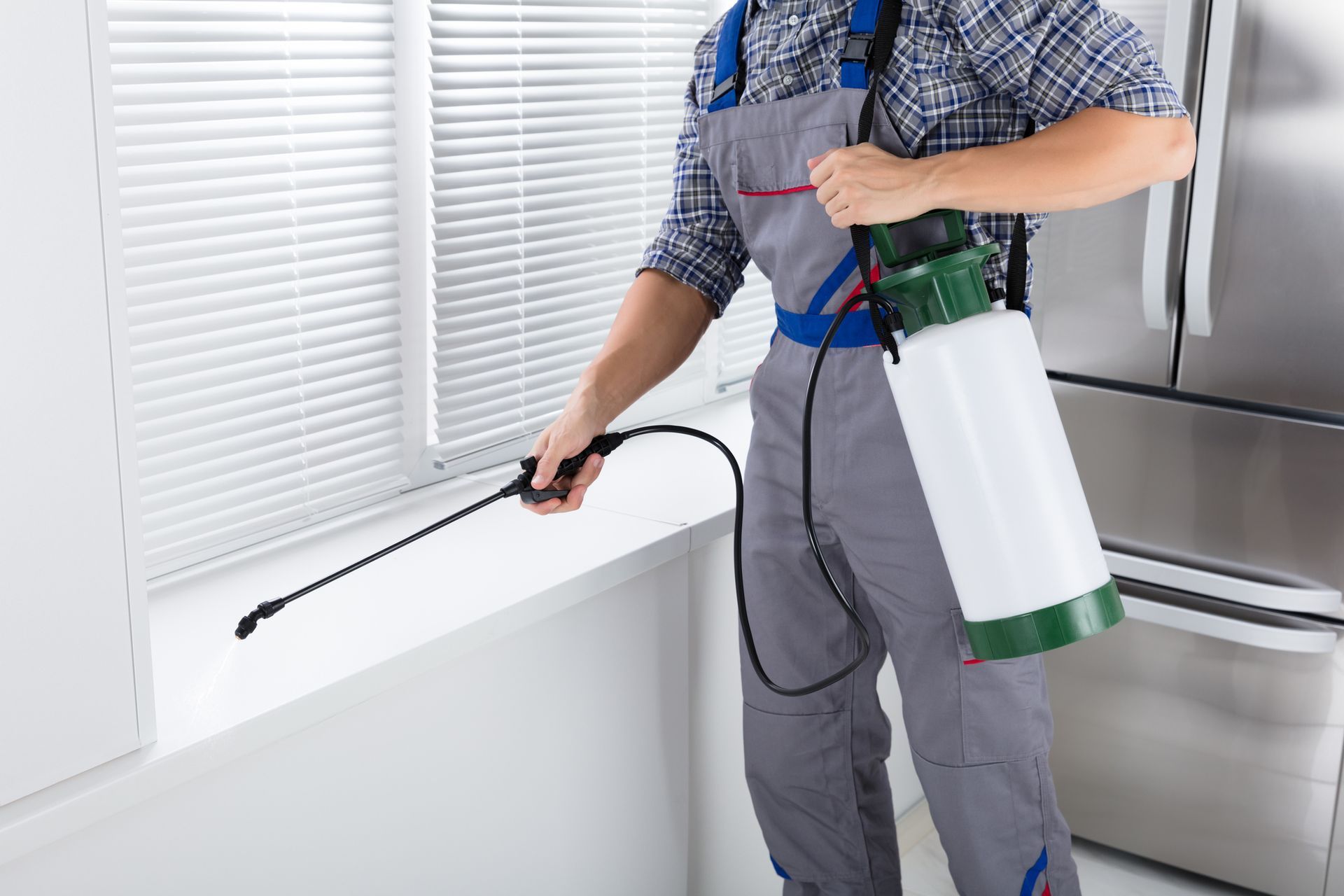
Integrated Pest Management (IPM) prioritizes inspection, habitat modification, and targeted treatments over broad pesticide use. IPM-based residential pest control service in Eugene, OR, focuses on removing conditions that attract pests first, then using lower-toxicity products where treatment is needed.
Year-round steps any homeowner can take include keeping gutters clean, directing downspouts at least three feet from the foundation, running a dehumidifier in the crawl space during wet months, and reducing dense vegetation near the home's exterior.
When Should I Call a Professional?
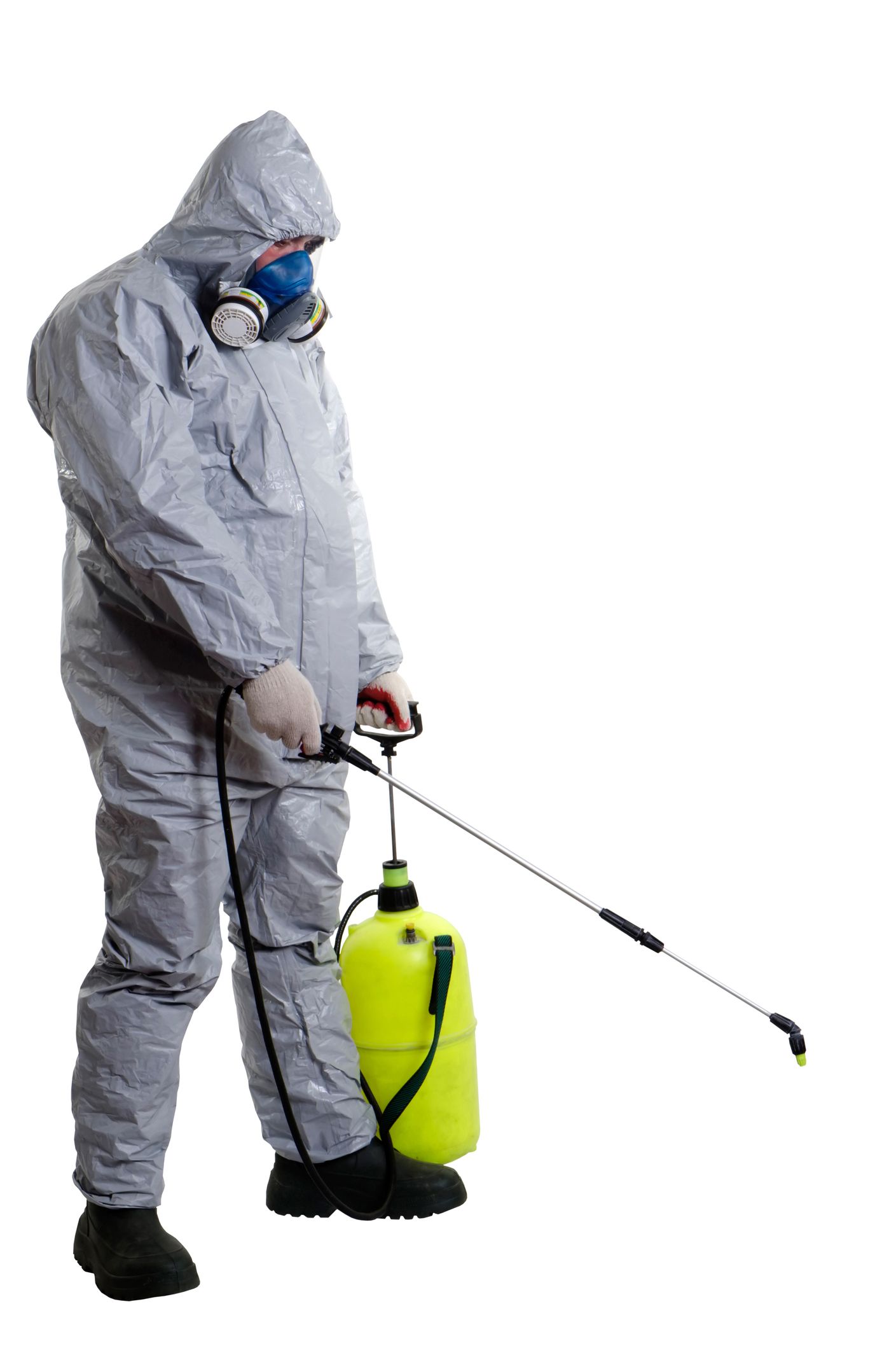
DIY methods can help with minor pest activity but often fall short for established infestations or structural pests. If you are seeing signs of termites, recurring rodents, or large wasp nests, a licensed residential pest control service is the safer, more reliable path forward.
Does Eugene's Rainy Season Make Pest Problems Worse?
Yes. Eugene's wet fall and winter months push pests indoors as they seek warmth and shelter. Rodents, spiders, and moisture ants are especially active during this period. A pre-winter residential pest control service inspection can reduce the likelihood of finding uninvited guests once the rain sets in.
Take Back Your Home This Year
Identifying the specific pest, understanding why it is present, and addressing underlying conditions will go a long way toward keeping your home protected.
Pest Tech Inc. has been serving the Willamette Valley for over 25 years using eco-friendly Integrated Pest Management methods. Call 800-706-2187 to speak with a local technician, request a free quote online, or learn more on our residential pest control service page.